
Defender Enablement

Deploy, tune, and operationalise Microsoft Defender so alerts become action.

Owning Microsoft Defender and operating it are different things. Over 4 to 8 weeks, CloudWay takes Defender from enabled to operational: onboarding planned, detections tuned, triage and incident workflows defined, and your team trained, so signals turn into decisions instead of noise. 

Once Defender is operational, our Security Operations & Continuous Improvement keeps it improving. 

The challenge

Most organisations use a fraction of the Defender capabilities they already pay for. What is enabled generates more alerts than the team can triage, investigations depend on who happens to be on shift, and incidents get handled differently every time. The licence is paid for; the operating model is missing.

Alert noise

Teams can be overwhelmed by signals without a clear way to prioritise them.

Unclear triage

Investigations may slow down when triage steps and ownership are unclear.

random

Inconsistent response

Incidents can be handled differently without repeatable workflows.
What we do

CloudWay takes Defender from enabled to operational. We plan the onboarding across the Defender capabilities in scope, tune detections to cut alert noise and raise signal quality, and define repeatable workflows for triage, investigation, escalation, and response. We finish by training your team and handing over runbooks and reporting, so day two operations run without a consultant in the room. 

Step 1

Plan onboarding

Define the Defender capabilities, data sources, and scope to enable.

Step 2

Tune detections

Reduce noise by improving alert quality, priorities, and signal relevance.

Step 3

Define workflows

Create repeatable triage, investigation, and incident handling processes.

Step 4

Enable operations

Train teams and provide runbooks, reporting, and operational guidance.

You get

Typical outcomes

Onboarding plan

You get an onboarding plan for the Defender capabilities in scope, sequenced so value lands early.

Better signal-to-noise

The alert queue shrinks to signals worth investigating.

Tuning approach

You get tuned detections with measurably fewer false positives, so hours go to the alerts that matter.

Faster triage

Incidents are picked up and classified in minutes, not mornings.

Incident workflow

You get defined workflows for triage, investigation, escalation, and response.

Repeatable incident handling

The same incident type gets the same response, every time.

chart-line

Reporting

You get security reporting that shows leadership what the tooling is catching and preventing.

Runbook starter

You get starter runbooks for the most common incident types, so response quality no longer depends on who is on shift.

Ideal for

Overwhelmed
by alerts

For customers facing alert noise and an unclear triage process.

Underused Defender
capabilities

For teams not getting full value from existing Defender tools.

Measurable security
outcomes

For leaders needing visible value from security investments.
Why CloudWay

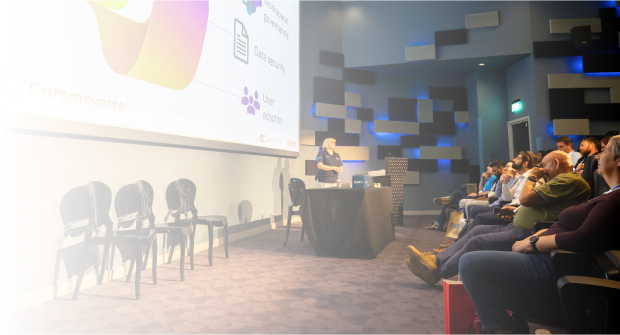
CloudWay’s security engagements are led by specialists Microsoft itself recognises: seven of the team are Microsoft MVPs. Based in Norway and working across Europe, CloudWay hands over tuned configurations, runbooks, and trained people rather than dependencies. The customer stories page has the details. 

Ready to improve how your teams work?

Start with a focused workshop to identify priorities and align your organisation.

  • This field is hidden when viewing the form
  • This field is hidden when viewing the form
  • By clicking "Submit," you approve that CloudWay can contact you via email. Read our Privacy Policy.
  • This field is hidden when viewing the form
Digital Wellbeing Speaker - Ståle
Scroll to Top